 The New Crossings Company
Twelve-step-informed recovery coaching focused on building a life beyond addiction
The New Crossings Company offers confidential, one-on-one recovery coaching grounded in lived experience and informed by twelve-step principles.
We help you put recovery into practice in your relationships, your responsibilities, and the decisions you make each day.
What began as a way to cope with stress, loneliness, or shame may have become something you can no longer control. Stopping is an important step, but it doesn’t resolve what led you to the behavior in the first place.
Recovery also means learning how to handle the challenges of daily life without returning to familiar patterns. Our coaching runs alongside your treatment and recovery programs, helping you develop habits and relationships you can rely on.
This is where our work begins.
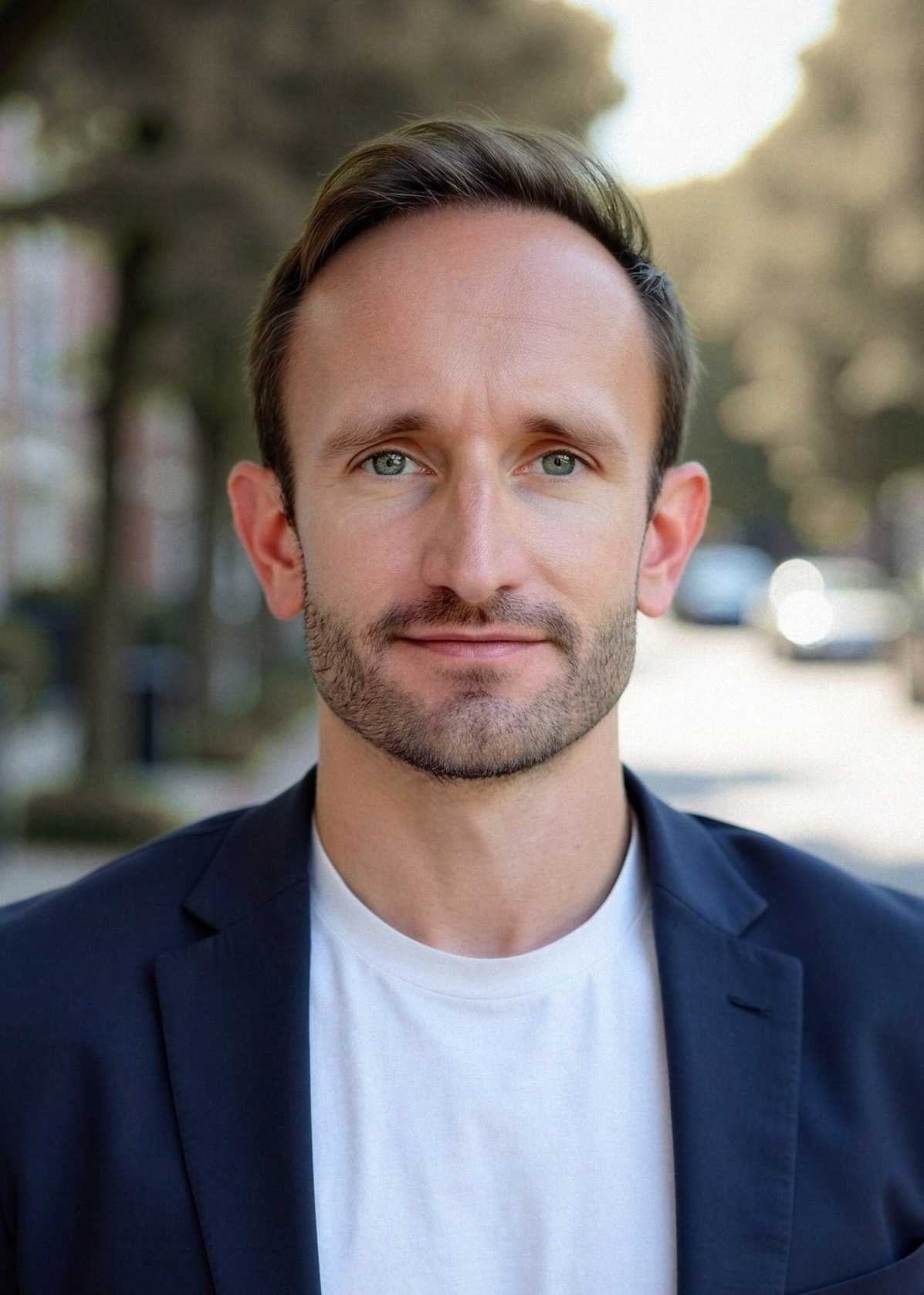
Recovery can begin with an urgent need to stop. But staying sober means figuring out how to live again: how to handle a difficult moment, be honest with someone you love, or find a way to give your most painful experiences a sense of true meaning.
My own recovery has made that sense of possibility important to me. You may still be experiencing deep shame and isolation, wondering whether life can ever feel good again, or you may be finding your footing and beginning to consider what comes next. Wherever you are, whatever you hope for, there is room for both the difficulty of today and the unexpected promises of tomorrow.
That is what New Crossings is for. Together, we can talk honestly about what feels impossible, acknowledge what is changing, and begin to give shape to the life you want to live. I’m grateful for the chance to be here for you.
Recovery shows up in specific places. These are the ones we work on most.
Loneliness, uncertainty, disappointment, boredom. Being able to feel them without needing them to stop.
The behavior took real time. When it stops, those hours come back empty, and what goes into them decides a lot.
Recognizing when ambition, productivity, or external success have become ways of avoiding what you’re feeling.
Debt, hidden spending, lost income. Getting the real number in front of you and building a plan you can hold to.
Sleep, exercise, the doctor you have not called. The physical cost compounds quietly while everything else takes priority.
What can be said, to whom, and when. And how to live alongside the parts that can’t be undone.
You don’t need to be ready.You just need to be willing.
Our recovery coaches are informed by the twelve steps. We believe recovery is fundamentally a spiritual process. Not necessarily a religious one, but a process of becoming more honest with yourself, accepting what you cannot control, taking responsibility for your actions, and learning to live in connection with other people.
Recovery begins with telling the truth. About the behavior, the consequences, the people we’ve hurt, and the ways we’ve learned to avoid uncomfortable feelings. We create space for those conversations without judgment, minimizing, or excuses.
There is a difference between knowing you have a problem and accepting that you can’t solve it through control and willpower alone. We support the work of letting go of what isn’t yours to control and taking responsibility for what is.
Addiction thrives in secrecy and isolation. Recovery requires relationships where you can be known honestly, without having to perform or hide. We help you make room for those relationships and learn how to participate in them differently.
A meaningful life needs more than the absence of destructive behavior. Work, relationships, creativity, service, and contribution can give your days direction and help shift your attention beyond yourself.
Recovery has to work on ordinary days, not just during moments of crisis. We help you establish routines, commitments, and a structure that supports the life you’re trying to build, including your participation in meetings, sponsorship, and other recovery resources.
We believe spiritual development is central to recovery. That may involve faith, prayer, meditation, service, a higher power, or a growing sense of connection to something beyond yourself. We don’t prescribe what that must look like. We support you in developing a spiritual life that is meaningful to you and consistent with your recovery.
You may know that something needs to change without knowing what recovery will actually require. We help you begin building the structure, relationships, and daily practices that can support that change.
Residential treatment can provide structure, community, and intensive support. Returning home means learning to carry that work into everyday life. We help you navigate that transition alongside your treatment recommendations and ongoing professional care.
Years of abstinence don’t necessarily mean every part of life is working. You may feel disconnected, stuck, or uncertain about what comes next. We help you return to the deeper work of recovery and examine the areas of life that still need attention.
A return to addictive behavior can bring shame, fear, and the temptation to withdraw from the very people who can help. We offer a place to speak honestly about what happened, reconnect with appropriate recovery support, and consider what needs to change.
Sex and pornography addiction, compulsive sexual behavior, and other behavioral compulsions can involve profound secrecy, shame, and difficulty with intimacy. These are particular areas of experience and focus at New Crossings. Our approach emphasizes accountability, connection, and the work of building a life that no longer depends on secrecy or escape.
Addiction affects the people around it, often deeply. We support loved ones in understanding their own needs, establishing healthy boundaries, and finding appropriate resources while navigating the effects of someone else’s addiction.
AlcoholSubstancesPornographyCompulsive sexual behaviorGamblingSpendingFood and eating patternsWork and achievementOther process compulsions
We provide confidential, one-on-one coaching by phone or video. Our conversations focus on what you’re experiencing in everyday life: the decisions you’re making, the situations you’re avoiding, the relationships you’re navigating, and the commitments you’re trying to keep.
We may work on establishing routines, preparing for difficult conversations, recognizing patterns, maintaining accountability, or finding ways to stay connected to your recovery community.
The work is practical, but it’s grounded in a larger purpose: helping you become more honest, connected, responsible, and comfortable with the person you’re becoming.
A sponsor guides you through the steps. We provide one-on-one support focused on your daily life and the changes you’re working to make. The sobriety and recovery goals you set with your sponsor, program, or treatment professionals stay yours, and we do not redefine them.
Our approach treats spiritual growth as essential to recovery. What matters is recognizing that a power greater than yourself is necessary for lasting change. How you understand that power is yours to work out, and we do not prescribe what it has to look like.
We believe in taking responsibility for behavior and its consequences. We also believe that shame and secrecy can keep people trapped in the very patterns they’re trying to change.
Relapse does not end our work together. It may mean reconnecting with your sponsor, therapist, treatment team, or a higher level of care. We help you take the next appropriate step rather than disappear into shame.

Your clients do the hardest part of the work after they leave. Recovery Coaching adds structured, one-on-one accountability in the ordinary hours between appointments, by phone or video.
We work alongside the plan you have set. We do not diagnose, treat, or advise on clinical matters, and we do not redefine the commitments a client has made with you. With written consent we can coordinate on practical matters and raise anything that belongs back in your care.
Honest answers about Recovery Coaching.
You don’t need to have recovery figured out before reaching out. Bring the question you actually have.
Talk to someone →Whether you’re just beginning, returning after a setback, or years into recovery and looking for something more, we can talk about whether this is the right fit.
Arrange a confidential conversationYou don’t need to have the right words“I need help” is enough.
In immediate danger, or having thoughts of self-harm? Find crisis resources, call or text 988, or call 911.
Anyone at risk of medically dangerous withdrawal should seek medical assessment before attempting to stop substance use.